So You Want to Shoot Wildlife? Start Here...
- Abhik Dey
- Dec 12, 2024
- 3 min read

Introduction
Wildlife photography is an art that combines patience, passion, and a deep appreciation for the natural world. As a photographer venturing into this realm, you step into a space where every moment tells a story, every animal has a character, and every scene is an adventure. I still remember my first foray into the wild, clutching my Nikon D5600 like a lifeline, wondering if I’d ever capture that perfect shot. Spoiler alert: I didn’t. But what I gained was far more valuable—lessons, experiences, and a love for the craft that continues to grow.
Here’s how you can get started with wildlife photography and avoid the mistakes I made (yes, forgetting spare batteries counts!).
1. Choose Your Gear Wisely Your camera doesn’t need to break the bank when you’re just starting out. An APS-C sensor camera is a great entry point—it’s budget-friendly and delivers quality results. Pair it with a decent zoom lens (something like a 70-300mm), and you’re good to go.

Pro Tip: Don’t obsess over having the "best" gear. It’s better to have a camera in hand than a dream DSLR sitting in a Wishlist.
2. Learn the Basics of Animal Behavior
Understanding your subject is crucial. Read up on the species you want to photograph—their habits, habitats, and movement patterns. For example, painted storks have a fascinating rhythm when they hunt for fish. Observing these details not only improves your photography but also deepens your connection with nature.
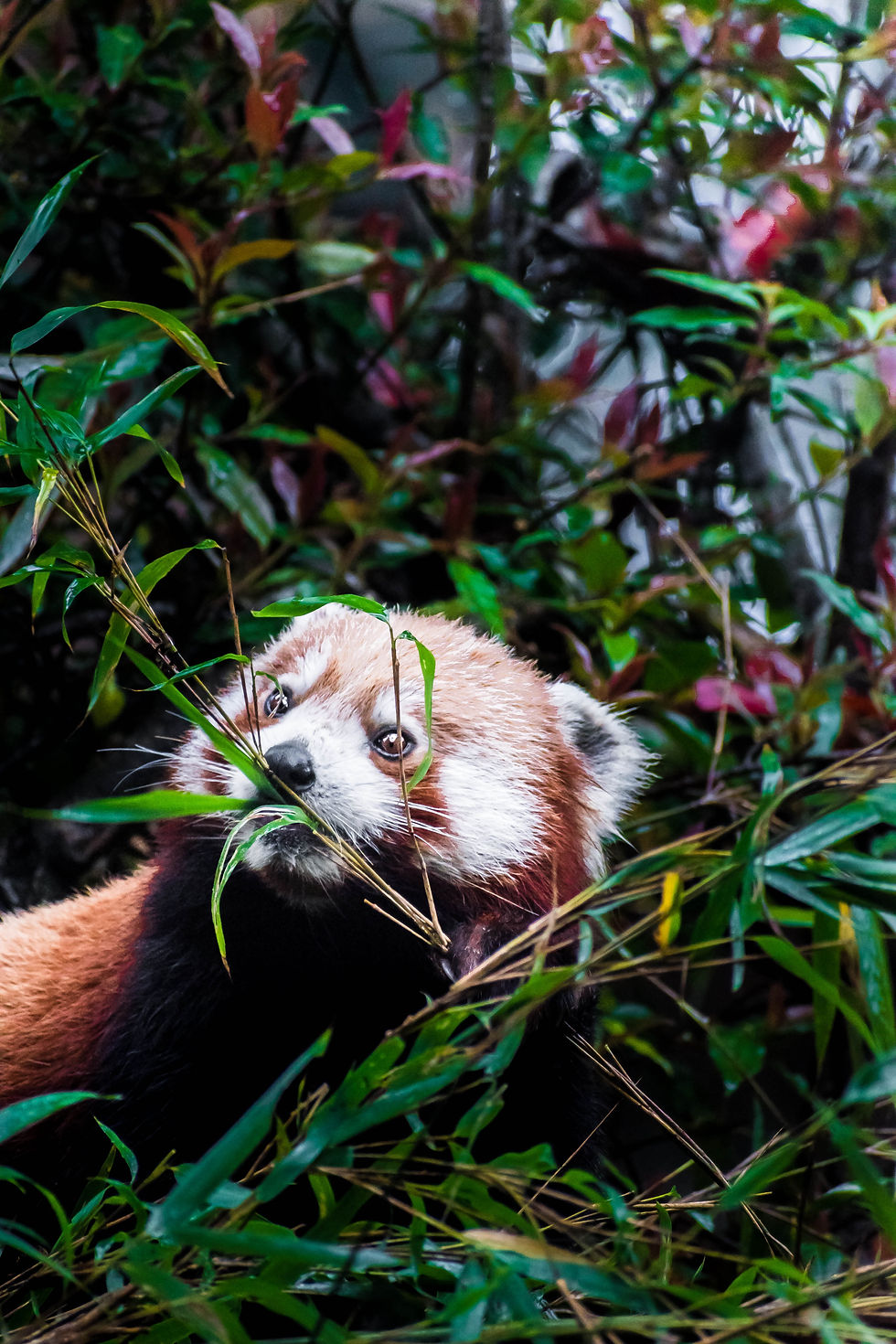
Pro Tip: Patience is your best friend. Wildlife doesn’t operate on your schedule, so be prepared to wait—and then wait some more.
3. Practice Composition and Framing
Wildlife photography is more than snapping a picture of an animal. It’s about telling a story. Use techniques like the rule of thirds, leading lines, and natural framing to add depth and interest to your shots.

Personal Note: I once spent 30 minutes lying on damp grass to frame a bird through two tree branches. The shot turned out amazing, but my jeans didn’t survive the day. Worth it? Absolutely.
4. Respect the Environment
Wildlife photography is as much about conservation as it is about creativity. Avoid disturbing animals, stick to trails, and carry out everything you bring in. Remember, we’re visitors in their home.

Pro Tip: Silent shooting modes and telephoto lenses can help you capture moments without causing stress to the animals.
5. Start Close to Home
You don’t need to head to Africa’s savannas or the Amazon’s rainforests to begin your journey. Local parks, wetlands, or even your backyard can be great starting points.

Pro Tip: Birds are an excellent subject for beginners. They’re accessible, diverse, and challenging enough to hone your skills.
6. Embrace the Process, Not Just the Results
Your first shots might be shaky, poorly lit, or missing the subject entirely (been there, done that). Don’t let this discourage you. Wildlife photography is about learning and growing with each click.

Personal Note: Some of my most cherished images are not the ones that won awards but the ones that remind me of the journeys behind them.
Conclusion

Starting with wildlife photography is like stepping into a new world, one filled with endless wonder and challenges. It’s not just about the images you capture but the experiences you gain and the respect you develop for the natural world. So grab your camera, lace up your boots, and venture out. The wild is calling.
And if you’ve already started, I’d love to hear your stories! What’s your most memorable wildlife photography moment? Let’s exchange tales from the wild in the comments below.


Comments